










| |
Plastic Bags:
To Ban or Not to Ban?
(That is NOT the question.)
Staff Report
Here’s a little travel advice. If you find yourself in a San Francisco grocery store, when you go to check out, don’t make the out-of-towner’s faux pas of asking for a plastic bag—they’re banned. Ditto goes for a store in France, Bangladesh or Rwanda. Each of these countries and communities has banned retailers from distributing plastic bags, and many others are considering doing the same.
Right here in Boulder, as our community explores additional ways to protect the planet, the question has arisen, “Should we ban plastic bags?” But that may not be the question… entirely.
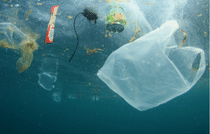
Most of the communities that ban or tax plastic bags are motivated to do so primarily because they are in coastal marine areas where plastics, including bags, are a tremendous threat because they choke birds and animals. In developing countries, plastic bags clog drainage canals and sewers, which increases flooding, the presence of standing water and the threat of malaria.
In our landlocked state, plastic bags aren’t nearly the same threat, but a ban in Boulder is worth considering since bags certainly are an environmental problem here, too, where they hang from trees and drift in waterways. And, when you consider that worldwide we use 500 BILLION plastic bags per year, clearly we need to rein in our use.
But is paper better than plastic?
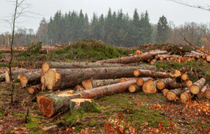
Banning plastic bags would suggest that their counterparts, paper bags, are the better alternative, and that isn’t true. If you compare the two, you’ll find downsides with each: Plastic bags are made from non-renewable resources, fewer are recycled, and more are used. Paper bags use more energy to transport and create more water pollution when manufactured. They are also frequently made from old-growth trees, grown for potentially hundreds of years and cut down for a product used for mere minutes.
Paper bags are more readily recycled, since they are accepted in curbside recycling bins and plastic bags are not. But there is an important positive recycling story for plastic bags. When recycled through grocery stores or through the CHaRM, they are made into long-lasting lumber and decking products that eliminate our need to cut down redwood and cedars, trees whose populations have been devastated by our demand for outdoor decking. Plastic lumber products require no staining or weatherproofing, so they avoid the annual use of toxic wood stains and preservatives. We need to be sure that the plastic bags that are difficult to avoid, such as dry cleaner bags, bread bags and newspaper sleeves, are recovered and recycled so that redwoods and cedars are preserved.
To ban or not to ban all disposable bags from stores: That IS the question.
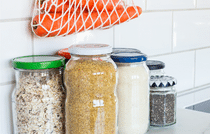
Paper or plastic? Both types of bags are unnecessary disposables and that’s the problem we need to address. Rather than banning plastic bags and thus creating an incentive to use more paper, we need to create an incentive for REUSE—we could do that by banning all disposable bags. Cloth or other durable sacks are far more environmentally beneficial than either plastic or paper. The same goes for reusable water bottles, rechargeable batteries, and other durable products. We need to shift our focus to using less, not just recycling more.
© Copyright 2010 Eco-Cycle, Inc. All Rights Reserved
No part of this publication may be transmitted or reproduced in any form without the express permission of the publisher. |
|

This enormous heap of plastic bags is the result of plastic bags contamination at the Boulder County Recycling Center. Worldwide, 500 BILLION plastic bags are used every year. Many are avoidable, yet end up in waterways and become a hazard to marine life.

Reusable bags always beat paper and plastic. Pick up our new Eco-Cycle® rePETe™ ChicoBag™, made from 99% recycled materials, at the CHaRM for $12. When you’re not using it, stuff the bag into the little attached pouch, throw it in your car or purse and voila! You’ll never forget to bring your own bag again.
|