











Frequently Asked Questions

Q. Why can't I recycle all plastics with the recycling symbol?
A. Recycling is based on both the recycling number and the shape of the container. The number indicates the type of plastic, not its recyclability. The recycling industry has been butting heads with the plastics industry over this misleading practice, unfortunately with no results.

Q. Why is each community's curbside program different?
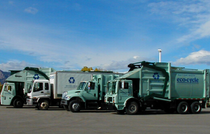
A. Some cities provide service directly to residents while others contact with one or more haulers. Because different companies do the hauling of recyclables, different items get picked up.

Q. If I buy compostable products, do they need to be composted or can I put them in the trash? It will biodegrade either way, right?
A. Definitely put them in the compost! When organic materials enter a landfill, they break down anaerobically (without air) and produce methane, a greenhouse gas 72 times more potent than CO2 in the short term (visit www.cool2012.com for more information on landfilling compostables). Composting also produces a useful soil amendment.

Q. Why can I compost meat, bone and dairy at the Zero Waste Station but not in my backyard compost bin?
A. Compost materials from this event are taken to an industrial-scale composting facility where higher temperatures and larger batches can easily break down these materials. Home compost piles are just not large enough and do not get hot enough to break down these materials.

Q. Where can I learn more about Zero Waste?
A. In order to best be able to answer attendees' questions, please read the following items:


Do-It-Yourself Mid-Size Events
Step 1: Requirements
Step 5: 100% Zero Waste Materials Agreement
Step 2: Planning Step 4: Acceptable Materials