



Frequently Asked Questions about Recycling
Find answers on your questions about
Didn't find the answer to your question? This email address is being protected from spambots. You need JavaScript enabled to view it. or call 303.444.6634 to ask our staff.
General Recycling FAQs
Who picks up my recycling and where is it processed?
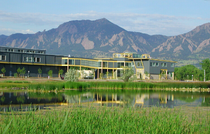
A. Recycling in most of Boulder County is picked up by the trash/recycling hauler you select. For questions about your pickup day or a missed pickup, call your hauler. For all questions about recycling, including whether something is recyclable, how to prepare your recyclables and drop-off locations, call Eco-Cycle at 303-444-6634. Collected recyclables are processed at the Boulder County Recycling Center at 1901 63rd Street in Boulder. The center is owned by the county and operated by Eco-Cycle.
Doesn’t hauling recyclables have a negative environmental impact?
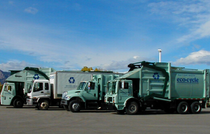
A. Eco-Cycle does compare the environmental value of recycling materials to the environmental impact of hauling them. As a result, load size is important. Hauling a full load, as opposed to a half load, maximizes the efficiency of the truck and minimizes the environmental impact of collection. Materials are now collected in one bin as "single-stream recycling" to improve efficiency.
What happens to my recyclables after processing? Are any recyclables processed locally?
A. All glass travels to Coors in Golden to be made into new bottles. Paper goes to paper mills to become new paper; there is a great demand at paper mills for recycled fiber to make all grades of new paper from cardboard boxes to fine writing paper. The paper from paper milk and juice cartons is high quality material used in many paper fiber applications, but processing is expensive so the market price is low. It’s one of the items we subsidize.
Aluminum is always a valuable material. Most aluminum cans contain recycled aluminum because it is much more energy- and resource-efficient for the industry to use reclaimed aluminum. A recycled aluminum can will end up back on the store shelf within six weeks after being recycled. Other metals, such as steel cans or scrap metals, have always had steady markets as well. Almost all metal products in the United States now have recycled content in them.
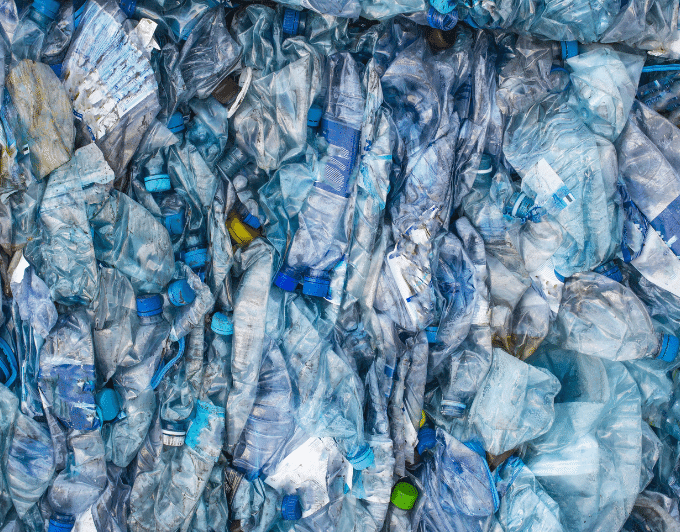
The plastic fibers from milk jugs and pop bottles are used in a range of applications including carpet, clothing, auto parts, tennis balls, park benches and sometimes even new bottles and jugs. One issue for plastics is that we don’t have any local markets, which is why it’s hard for us to recycle more types. Low-grade plastics are sent to Asia. All other markets are currently domestic. The rail spur at the recycling facility really opened up more distant markets for the new facility.
Why is it important to follow recycling guidelines?
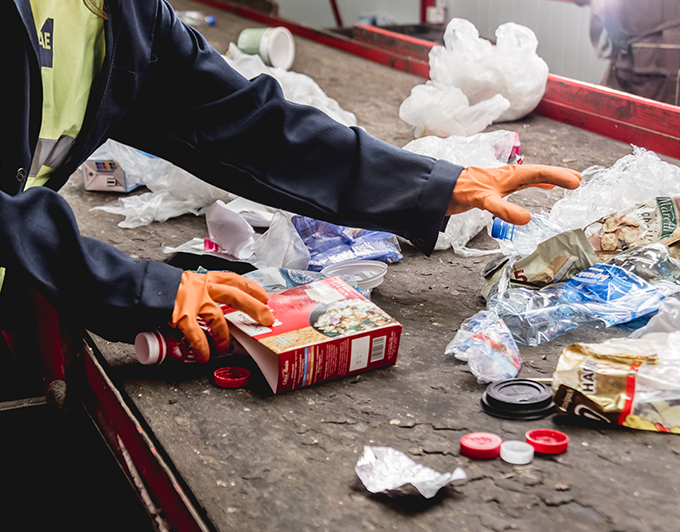
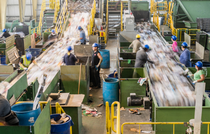
A. The Boulder County Recycling Center processing facility is a complex of sorting mechanisms designed to produce the highest quality materials at a manageable cost. Too much time spent handpicking contaminants out of the material stream or unclogging machinery increases our expenses and decreases our ability to subsidize other materials and improve recycling in our area.
It is important to remember that your recycled materials will be used to make new products. Quality matters and the better you do following the guidelines, the less sorting and contamination we will face at the drop-off center and the more money that can go back into the community to improve recycling.
What happens to the materials that aren’t recyclable? Don’t they just get recycled anyway?
A. As much as we would like to recycle everything we receive, it’s a matter of market demand. We cannot collect and process materials if there is no one to buy them. Similarly, if we include too much “junk” with our materials (such as plastic kiddy pools or laundry baskets mixed in with milk jugs), we risk losing buyers or getting a lower price for our materials.