










Take Action Every Day to Reduce Plastic—6 Ways to Create Lasting Change
Plastic pollution can feel like an overwhelming problem—but there are meaningful ways to make a difference, from the choices we make every day to the policies and systems we help change. Discover six ways to reduce waste, protect human and environmental health, and help build momentum for a future beyond single-use plastics.
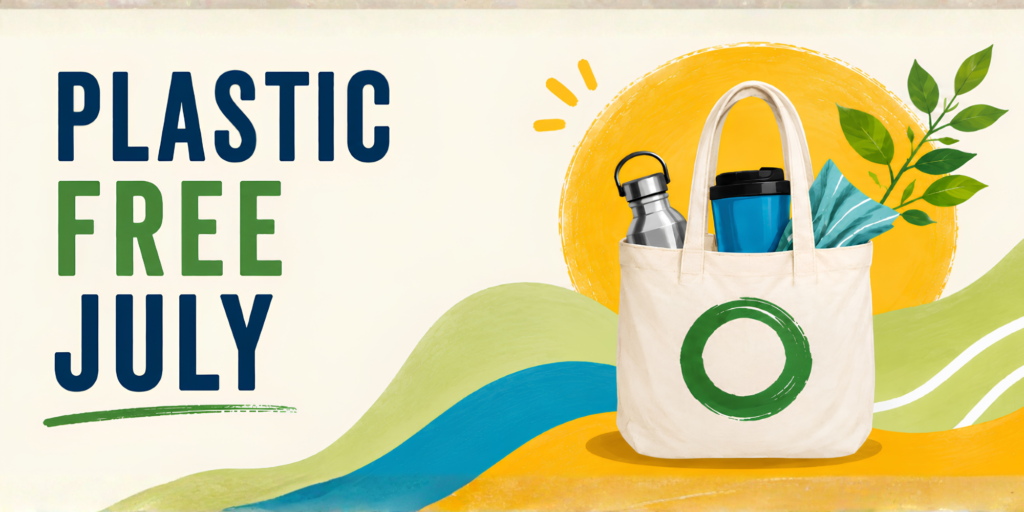
Every July, millions of people around the world take part in Plastic Free July, a global movement that puts the growing plastic pollution crisis in the spotlight. But the real opportunity goes far beyond using fewer plastic straws, bags, or bottles. It’s a chance to question why we have built a society around products and packaging designed to be used for minutes but persist in the environment for generations.
For decades, we’ve been told that single-use disposable packaging is convenient, necessary, and inevitable. It isn’t. We can build a future in which unnecessary plastics are reduced, reusable options are widely available, businesses and manufacturers take responsibility for the waste they create, and communities have a voice in the systems that affect their health and environment.
Getting there will require systemic change. But individual and community actions help build that change. Here are six ways to reduce plastic waste this Plastic Free July—and keep making an impact all year long.
1. Shop with Less Plastic
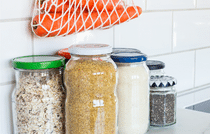
One of the simplest ways to reduce plastic waste is to avoid unnecessary packaging when you shop. Look for bulk bins, bring your own containers when allowed, and choose products packaged in reusable or returnable containers.
Reuse and refill stores make it easier to purchase everyday goods without disposable packaging. Locally, stores such as Simply Bulk in Longmont and Nude Foods Market in Boulder and Denver offer options for shopping with less waste. You can also explore the Reuse Hub for Boulder and Beyond to find more local reuse resources, businesses, and services.
2. Build Your Own Zero Waste Kit
We often encounter single-use plastics when we’re away from home: grabbing coffee, ordering takeout, shopping, or attending an event.
A simple DIY Zero Waste kit can help you refuse disposable items before you need them. Depending on your routine, your kit might include:
- Reusable utensils
- A reusable shopping bag
- A reusable produce bag
- A travel mug
- A refillable water bottle
- A reusable food container
- A cloth napkin
You don’t need to buy new products! Start with what you already own and build a kit that works for your daily life.
Find a guide to making your own kit and more in our How to Quit Plastics Guide.
3. Join a Community Cleanup—or Organize Your Own
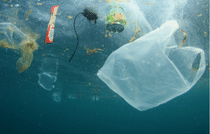
Plastic pollution doesn’t stay where it is dropped. Lightweight packaging and other litter can travel through neighborhoods, storm drains, waterways, and natural areas. Cleanups are a great way to reduce the impacts of plastic pollution where you live!
On Saturday, July 25, 2026, from 9 am to 11 am, Eco-Cycle staff will host community litter cleanups in Boulder and Fort Collins. After each cleanup, Eco-Cycle will conduct a waste audit to identify the types, brands, and amounts of litter collected at the site to help us better understand what is ending up in our environment and inform broader conversations about waste prevention and Producer Responsibility. Register for our cleanup here.
Can’t join us on July 25? Organize a cleanup in your own neighborhood, park, school, or community space. Send your photos to [email protected], and we’ll help amplify your impact!
4. Learn How Plastic Pollution Affects Human Health
Plastic pollution isn’t only an environmental issue. Growing research is raising serious questions about the impact of plastics and plastic production on human health—from exposure to microplastics, to air and water pollution affecting communities near industrial facilities.
Join our webinar on July 28, 2026, with Eco-Cycle’s policy expert Ryan Call and Dr. Sara Carpenter, Executive Director of Healthy Air & Water Colorado.
Plastic Pollution and Human Health
Tuesday, July 28, 2026
5:30–7:00 pm MT
5. Advocate for Policies That Prevent Plastic Waste
Individual choices are important, but we also need policies that reduce unnecessary plastics at the source.
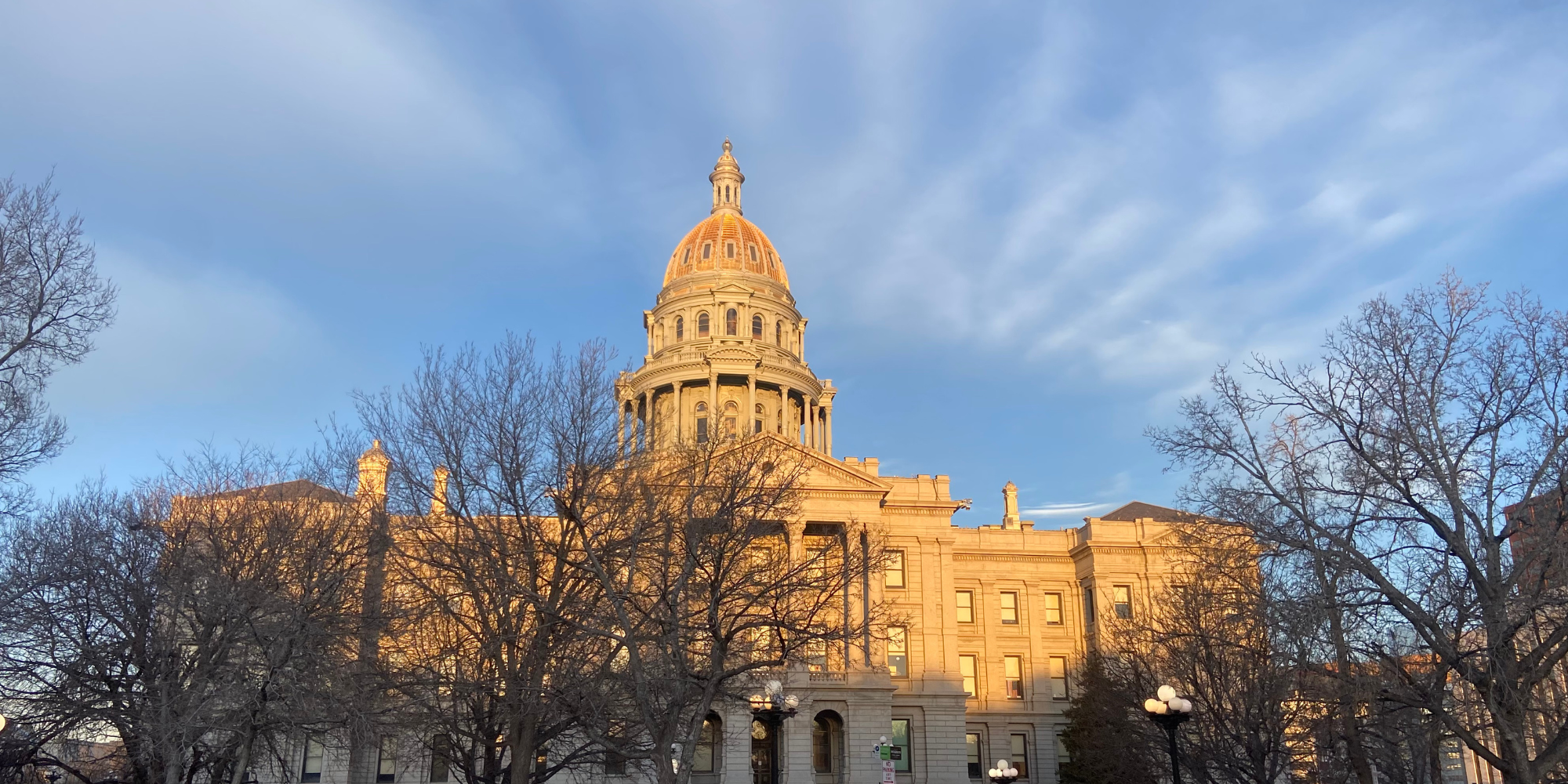
Colorado passed the Plastic Pollution Reduction Act (PPRA), which bans large retailers from distributing single-use plastic carryout bags and completely prohibits retail food establishments from using expanded polystyrene (Styrofoam) takeout containers. The law has already prevented 1.8 billion plastic bags in Colorado. But there is more work to do.
One simple opportunity is to ensure that single-use takeout accessories—including utensils, straws, napkins, and condiment packets—are provided only when customers actually want them. These “Skip the Stuff” policies can prevent unnecessary waste while saving food businesses money.
In 2026, Colorado lawmakers passed a statewide Skip the Stuff bill, but the legislation was vetoed. Eco-Cycle and our partners are working to build support for statewide action in 2027.
Sign the petition urging Colorado lawmakers to pass a statewide Skip the Stuff law and help Colorado reduce unnecessary waste, one takeout order at a time.
6. Educate and Inspire Others: Become an Eco-Leader!
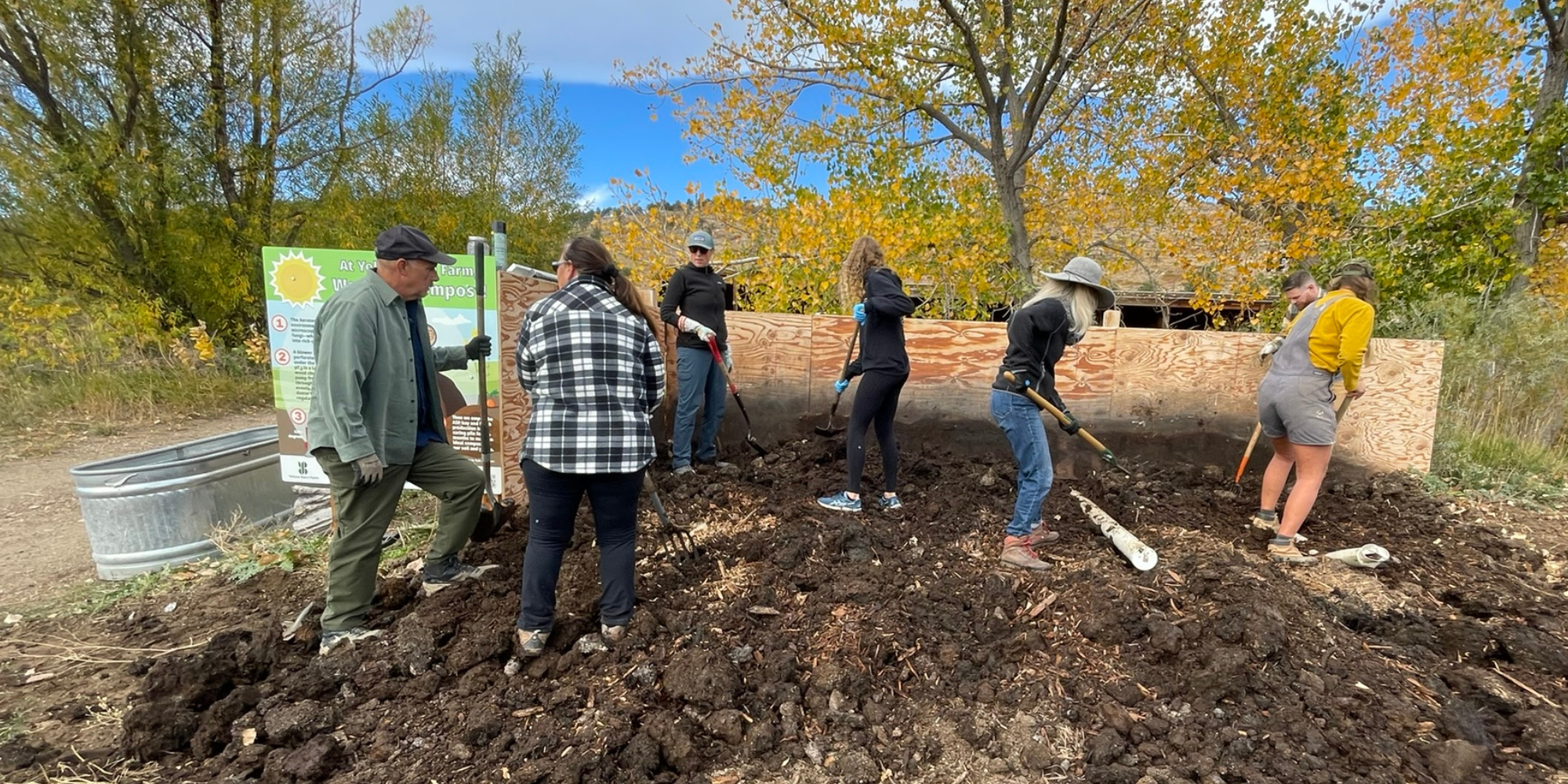
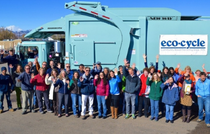
Want to turn what you care about into action? Become a volunteer Eco-Leader and join a growing network of more than 1,300 people working to create change across Colorado. You don’t need to be an expert—we’ll provide the training, tools, information, and opportunities to help you get involved.
Meet like-minded people, deepen your knowledge, and bring what you learn into your neighborhood, workplace, school, and social circles. Whether you want to volunteer at events, connect with your community, or help build support for bigger systemic change, there’s a place for you in the movement.
Plastic Free July Is a Starting Point, Not the Finish Line
The plastic pollution crisis was created by systems that normalized throwaway products and packaging. Addressing it will require better systems—ones that prioritize reduction, reuse, refill, repair, and Producer Responsibility.
That change requires action at every level, from the choices we make in our daily lives to the policies we support and the solutions we build in our communities.
This Plastic Free July, take your next step: join a cleanup, attend our webinar, sign the Skip the Stuff petition, explore local reuse options, or become an Eco-Leader. Together, these actions will reduce plastic pollution and move Colorado toward a more circular future.