









All about CompostingWhy CompostPutting biodegradable items in the compost bin instead of the trash is one of the easiest and most effective first steps you can take to reduce greenhouse gas emissions. (Find out more at www.cool2012.com.)
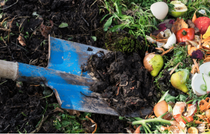
And, it turns what would be “garbage” into a nutrient-rich soil amendment that restores our farmland and promotes sustainable agriculture. Not bad for one little bin.
Composting Guidelines
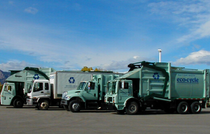
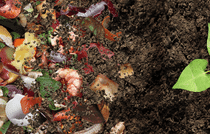
Your curbside compost goes to an industrial composting facility where giant compost piles can reach up to 150 degrees, allowing them to break down many of the items that wouldn’t break down in your backyard compost pile. This process also destroys pathogens, making it safe to compost paper towels, tissues and raw meat. Within four months, your leftover food can be returned to the earth to feed plants or improve degraded land.
Composting FAQsQ: How do I avoid fruit flies?
A: Here are 3 things you can do. 1 - If you keep a collection bin inside, put your food scraps container in the refrigerator or freezer. This will prevent fruit flies, odors and mold. Just don’t forget to label it. 2 - Frequently empty your compost collection container into your backyard or curbside bin. 3 - Bury your food scraps in your outdoor bin or pile under a layer of leaves, grass clippings or even some newspaper. Fruit flies do not burrow and burying the discards makes it more difficult for them to find a permanent home in your bin.
Q: How do I get rid of fruit flies? A: Try this home-made fruit fly trap.
Supplies:
Steps:
How it works: Flies become attracted to the fruity scent, fly through the funnel and get stuck in the vinegar. The trap is easy to clean and set up again. Just replace the vinegar and funnel. Optional: Use and reuse folded-over packing tape instead of paper.
|


A: Try this home-made fruit fly trap.


