











How to Break Up with Plastics
Looking to reduce plastic use this Valentine’s Day? Learn why plastic pollution, single-use packaging, and misleading recycling labels are red flags—and how to make more sustainable swaps.
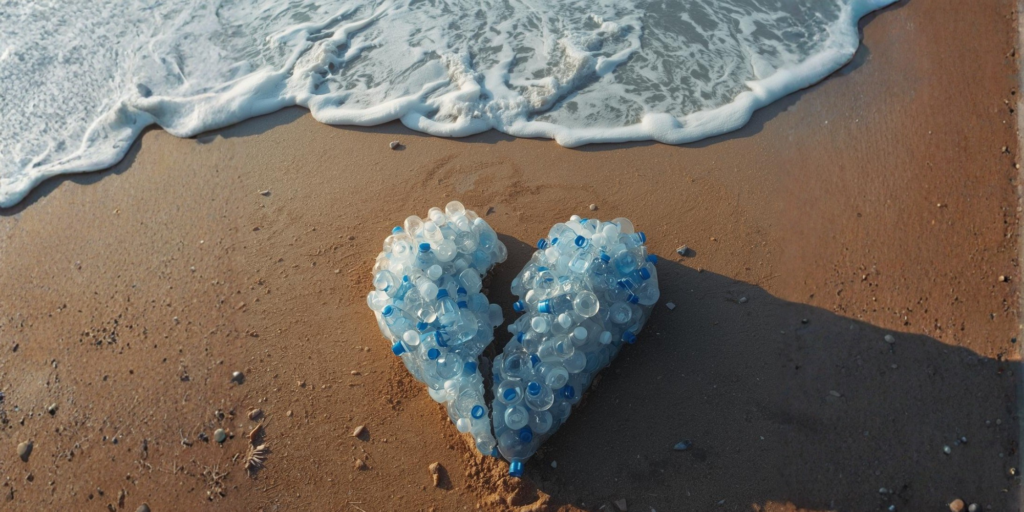
Valentine’s Day is all about love—but it’s also a great time to rethink relationships that aren’t serving us anymore. You know the type: they promise ease, but create long-term problems and stick around far too long.
Yes, we’re talking about plastics.
Plastic has been our clingy partner since the 1950s, when mass production took off. Since then, global plastics production has skyrocketed from roughly 2 million tons a year to over 450 million tons today. About 40% of that plastic is made for single-use packaging—used once, then discarded.
This Valentine’s Day, let’s talk about how to move on from this toxic relationship by recognizing plastic’s biggest red flags.
Your Values Don’t Match Up
Plastic doesn’t share your values—especially if you care about people and the planet.
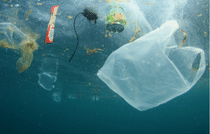
Upstream, plastics production relies heavily on fossil fuels and toxic chemicals, disproportionately impacting communities located near fracking sites, refineries, and manufacturing plants. Downstream, plastic waste floods waterways, harms wildlife, and burdens waste systems. It’s estimated that 11 million metric tons of plastic enter the ocean every year. That’s not a misunderstanding—that’s fundamental incompatibility.
Breakup tip: Choose products with minimal or no packaging, and support companies that provide refill or reuse systems or take-back programs.
Gaslighting
You see the little triangle with a number in it on the bottom of a plastic container— the “chasing arrows” symbol—and think, “It’s recyclable! I’m doing the right thing.”
But that chasing arrows symbol identifies the type of plastic resin used in the product. That is it. It doesn’t mean the item can be recycled in your bin, or that it’s made of recycled material.
Breakup tip: Learn your local recycling guidelines instead of looking for symbols. When possible, choose items without packaging, or those packed in infinitely recyclable materials, like aluminum or glass.
They’re Overbearing
Plastic shows up fast and refuses to leave. A plastic bag might be used for 10 minutes, a coffee cup lid for mere seconds—yet plastic waste can take 20 to 500 years to break down. Fleeting usefulness, lifelong consequences.
And even then, plastic never really disappears. It just breaks into smaller and smaller pieces, lingering long after its usefulness is gone.
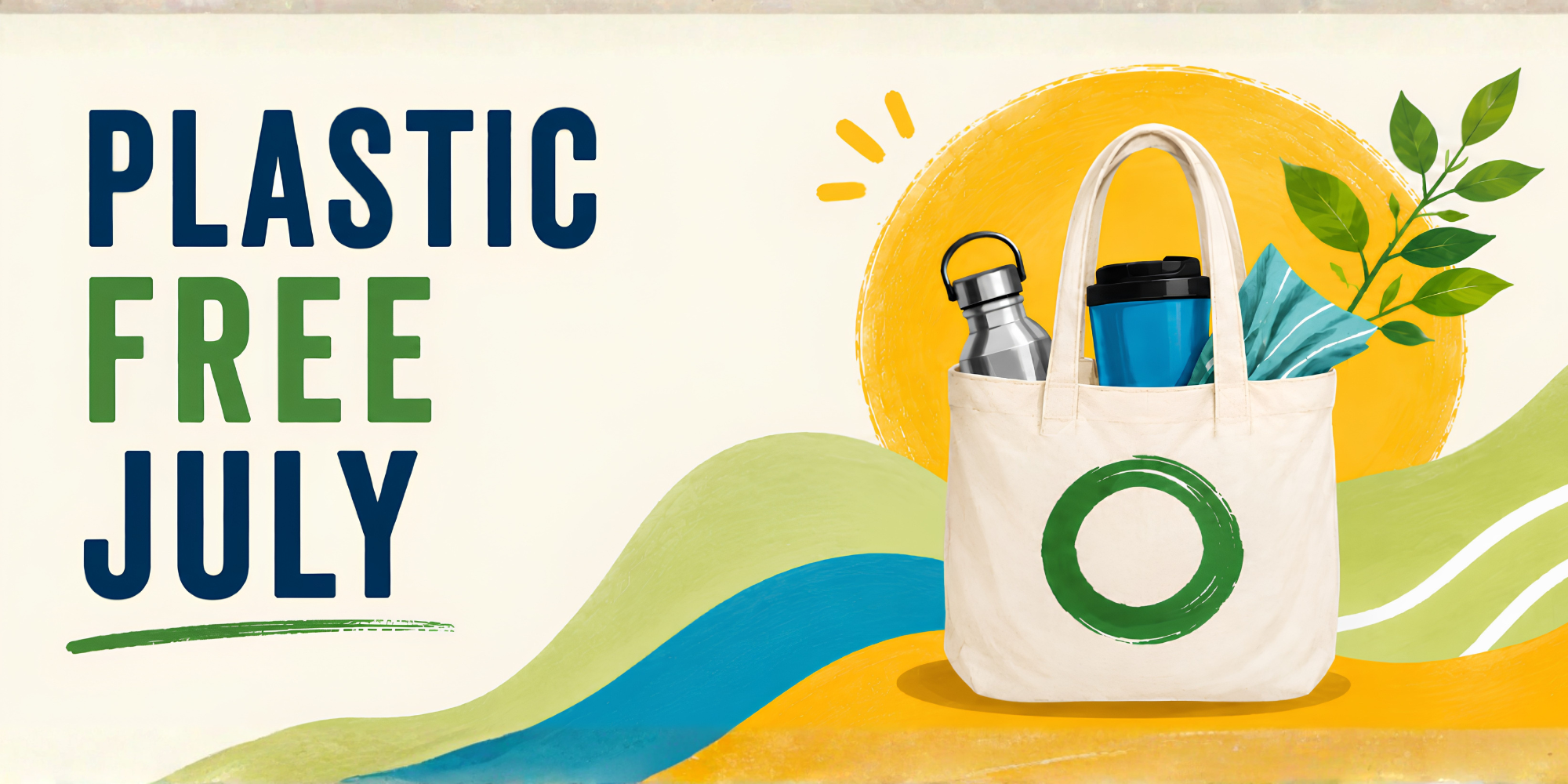
Breakup tip: Replace disposables with reusables—including a sturdy tote bag, a reusable water bottle and travel mug, and containers for leftover food.
They Ignore Boundaries
Once discarded, plastics break down into microplastics that can end up everywhere: in soil, oceans, food systems, and even the air we breathe. Microplastics have been found in seafood, salt, drinking water, and even human blood. While research is still evolving, early studies suggest potential links between microplastics and inflammation as well as other health concerns.
Even when we try to get rid of plastic, it doesn’t respect the breakup. It travels down rivers and across oceans, showing up in places humans never intended—including remote beaches, Arctic ice, deep-sea trenches, and even rainfall in the Rocky Mountains.
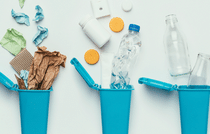
Breakup tip: Reduce contact between your food and plastic containers by switching to glass or stainless-steel containers, skipping plastic wrap, and avoiding heating food in plastic containers. Make sure your plastic ends up in the correct bin (recycling or trash) to avoid plastic pollution in the environment.
Falling for Better Alternatives
This Valentine’s Day, fall for materials—and habits—that actually show up for you: durable, reusable, and aligned with your values.
- Know the red flags: Steer clear of plastics labeled #3, #6, and #7, along with black plastic food containers. They’re more toxic to produce and are challenging to recycle.
- Stop entertaining short-term flings: For single-use plastics like straws, utensils, take-out containers, and bags, say no when possible, and look for products with minimal or no packaging.
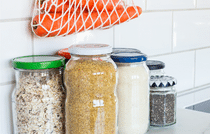
- Look for long-term compatibility: When you can, commit to reusables or products packaged in glass or aluminum instead of plastic. Unlike plastic, these materials are infinitely recyclable—no messy endings!
- Try a relationship that (re)fills you up: Buying food, soaps, cleaners, and other household items at bulk or refill stores cuts waste, saves money, and skips unnecessary packaging.
Breaking up with plastic doesn’t have to be dramatic. Like any healthy breakup, it’s about clarity, boundaries . . . and choosing better next time.
Need more tips? Check out our How to Quit Plastics Guide and learn how to ditch plastics for good!