










Make 2026 the Year of Mindful Consumption
This New Year, set an intention to become a thoughtful consumer and avoid buying into a system that encourages you to spend money on stuff you don’t really need.

After the rush and excitement of the holidays, many of us look to this time of year as an opportunity to reset ourselves, our space, and our goals for the year. While everyone loves a good eco-resolution, this is also a great time to consider where and how you plan to invest your financial resources this year, and what that might mean for you and for the planet.
The constant barrage of advertisements we face in the Information Age are designed to trick us into looking to fast fashion and other costly quick fixes to whatever ails us. But the urge to buy is often rooted in something deeper—like boredom, stress, loneliness, or emotional fatigue. When you sense that impulse, try to refocus your energies toward solutions that bring long-term fulfillment instead of the temporary dopamine hit that comes with making a purchase.
The convenience of online shopping not only influences us to buy, but also hides many inconvenient truths, including that returns are often not resold as you might think. Instead, they are often trashed, contributing to the global fashion waste crisis—the industry now generates about 92 million tons of textile waste each year, much of which isn’t recycled and ends up in landfills or incinerated, burdening waste systems in the Global South where discarded clothing from developed markets overwhelms local environments and communities.
And a “good deal” is not always a good thing when customers are rarely the ones carrying the true social and environmental costs of what they buy. Documentaries such as The Story of Stuff (2007) and Buy Now: The Shopping Conspiracy (2024) tell the full story of how we as a society are manipulated into buying more stuff than we really need—or even want—to a degree that does real harm not only to ourselves, but to disenfranchised and disproportionately impacted populations, as well as the planet.
Enough Is Enough
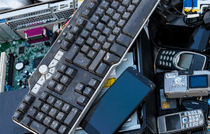
Indulge the New Year urge to declutter and simplify your life by going through your belongings to evaluate what no longer serves you. What you don’t need and no longer sparks joy might be something that, in 2026, you can leave behind—but not in the landfill. First consider donating, trading, or selling usable items you have no use for through community swaps, Buy Nothing groups, online thrifting, local thrift shops, and consignment stores.
These are also great avenues to look to first when you identify something that you do need to acquire. The reuse and repair economy is growing faster than ever, and participating in it is one of the most effective ways to prevent natural resources from being unnecessarily extracted to make new products and to prevent usable goods from wasting away in the landfill.
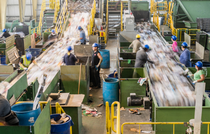
Some items, including books, can be reused or recycled through the Eco-Cycle/City of Boulder Center for Hard-to-Recycle Materials (CHaRM) facility. Find a full list of what we accept here.
Digitally Detox
It can be empowering to unsubscribe from marketing emails that are cluttering your inbox and pressuring you to buy, buy, buy. Take back control and do some digital housekeeping to delete old emails, remove yourself from email lists that aren’t adding value to your life, and rid yourself of apps and subscriptions you don’t use. In return, you buy back not only your money but also your time!
Free Yourself from Mail Jail
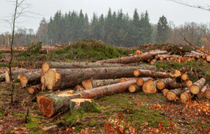
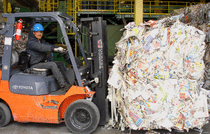
Some advertisements still come in the mail in the form of colorful catalogs and tempting retail coupons. While this paper is recyclable, the harm to the planet is already done by the time it reaches your mailbox. The production and distribution of junk mail drive deforestation, consume vast amounts of energy and water, and—when landfilled—contribute methane, creating a carbon footprint equivalent to 11 million cars in the US alone. Follow these steps to prevent junk mail from ever visiting your home this year.
Food Is Fuel (for Fighting Climate Change)
For items you need to buy regularly, like food, choose to buy local whenever possible. Food from farmers markets and CSAs not only supports agriculture in your area, it reduces emissions through fewer miles traveled from the field to your home.
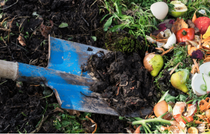
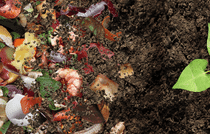
Food waste is one of the top climate issues we face, accounting for nearly 10% of global greenhouse gas emissions, and it’s one of the few we can meaningfully reduce right at home. Reduce food waste through careful meal planning as well as handy tips that get the most out of your food dollar. Double down on climate-saving choices by keeping your food scraps—which are valuable soil-making feedstocks—in your community through composting.
Do It Yourself
DIY can seem daunting, but it is often as simple as following a recipe. For example, you can keep your home clean without toxic commercial cleaners by making your own at home—not only saving money, but also avoiding unnecessary chemicals. Check out our Earth-Friendly Cleaning Recipes to learn more.
No matter which ways you choose to change your habits as a consumer this year, it all makes a difference, and we at Eco-Cycle are grateful to learn alongside you on another trip around the sun in 2026. Help us keep the conversation going and send your questions and favorite planet-saving consumer tips to [email protected].