










Game Day Without the Garbage: Tackling Waste at Stadiums and Arenas
Sporting events are a popular way to gather with friends and family—but when tens of thousands of fans come together, even for just a few hours, a gigantic trail of waste often follows.

Between tailgating and in-stadium concessions, a single NFL game generates an average of more than 80,000 pounds of waste. With more than 270 games each season, that adds up to over 24 million pounds of waste—and that doesn’t even include college football games.
Thankfully, many sports arenas are taking major steps to reduce this waste. NFL Green, the league’s environmental program, has made efforts toward sustainability since 1993. Locally, CU Boulder’s Folsom Field launched the first Zero Waste athletics program in the US.
Here’s how Colorado stadiums and arenas are taking steps toward Zero Waste—and how fans can help.
How Colorado Sports Venues Are Designing Out Waste
Recycling and Composting Bins
Empower Field at Mile High, home of the Denver Broncos, provides recycling bins throughout the stadium. At Ball Arena, home of the Denver Nuggets and Colorado Avalanche, extensive recycling efforts include “Team Aluminum,” staff members with mobile recycling backpacks who collect recyclables from fans in the stands—as well as “smart bins” with screens and cameras that guide fans on where to place their trash and recyclables.
At Coors Field, home of the Colorado Rockies, recycling bins are located throughout the stadium, with new compost bins offered in the 2025 season on club levels and premium seating areas. In 2024, the Rockies also composted grass clippings, food scraps, and other organics, diverting almost 72 tons.
Reusable, Recyclable, or Compostable Cups and Containers
Through partnerships with Ball Corporation, many Colorado venues—including Ball Arena, Folsom Field, and others—have replaced plastic cups with infinitely recyclable aluminum ones, dramatically cutting plastic waste, as long as event attendees recycle the cups!
CU Boulder’s Folsom Field—one of the first Zero Waste athletic programs in the US—sells all food and beverages in compostable, recyclable, or reusable containers, which dramatically increases waste diverted from the landfill. Committed student volunteers help fans sort discards correctly into recycling, compost, and trash bins. Stadiums like Folsom Field that combine volunteers, good signage, and limited bin options consistently achieve the highest diversion rates.
Water & Refill Infrastructure
Many Colorado stadiums—including Empower Field at Mile High, Ball Arena, and Coors Field—allow fans to bring empty, refillable water bottles and offer refill stations. These systems reduce plastic bottle waste and cut the environmental impact of beverage service.
Beyond the Bin: Food, Energy, and Community Impact
Ballpark Gardens & Local Produce
In 2013, the Colorado Rockies and ARAMARK launched the Coors Field Garden, planted and maintained by Produce Denver. The garden is the first sustainable garden in Major League Baseball and a model that’s since been replicated by stadiums nationwide. The 600-square-foot garden grows a variety of vegetables and herbs used by Coors Field chefs in the stadium’s restaurant and at salad stations.
NFL Green Tree-Planting & Restoration Initiatives
NFL Green’s “Greening Projects” support tree plantings, community garden installations, pollinator habitat creation, and habitat restoration in host cities for major NFL events. These efforts help offset the environmental footprint associated with large gatherings.
Energy & Resource Efficiency
Behind the scenes, Colorado stadiums are improving energy efficiency through lighting upgrades, kitchen equipment improvements, and responsible maintenance practices. Through a partnership with Filta Fry, Coors Field recovered more than 155,000 pounds of cooking oil in 2024, recycling it into cleaner biodiesel fuel. The emissions savings are equivalent to planting over 4,200 trees.
How Fans Can Help Reduce Stadium Waste
Even the best stadium programs rely on fans helping out. Here’s what you can do:
- Bring a reusable water bottle and use refill stations.
- Pick aluminum over plastic when buying beverages if a reusable refill isn’t an option.
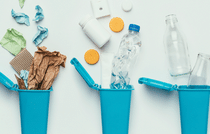
- Sort your discarded items correctly—recycle empty cans and recyclable paper, and compost food scraps and certified compostable containers where available.
- Skip single-use plastics, especially wrappers, utensils, and bags.
- Support teams and venues that invest in Zero Waste and reuse programs.
Game day will always come with cheers, concessions, and celebration, but it doesn’t have to end with a mountain of trash. When stadiums build smarter systems and fans play their part, even the biggest crowds can leave a lighter footprint. So grab your reusable bottle, sort with intention, and remember that Zero Waste is a team sport—and Colorado is already winning!